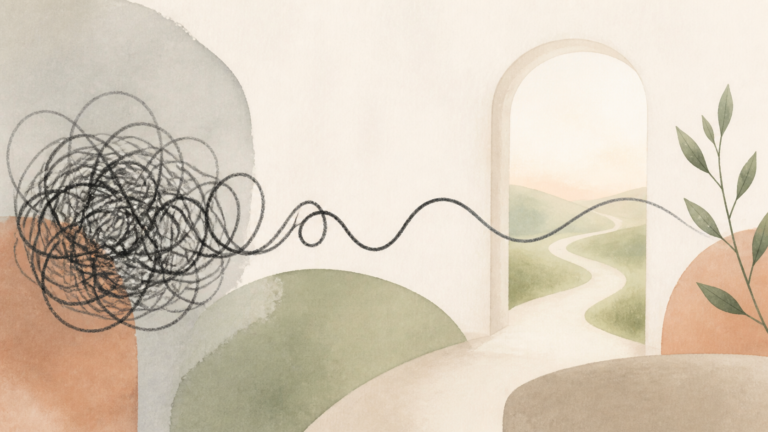

Couples therapy is not only for relationships on the edge of separation. It can help partners understand repeating cycles, communicate more safely and decide what they want from the relationship.
1. The same conflict keeps returning
The subject changes, but criticism, defence, withdrawal or escalation remains familiar.
2. Conversations quickly become unsafe
Partners interrupt, attack, freeze or avoid important topics.
3. Emotional or physical closeness has changed
Distance, loneliness or differences in desire may be difficult to discuss without blame.
4. Trust has been damaged
After secrecy or broken agreements, therapy can provide structure for understanding impact and deciding whether trust can be rebuilt.
5. A life transition is creating pressure
Parenthood, relocation, illness, grief or career change can expose differences in needs.
6. Parenting disagreements dominate
Therapy can help separate couple conflict from parenting decisions.
7. One or both partners are considering separation
The goal is not always to keep a couple together; therapy can support respectful decisions.
8. You want to strengthen the relationship before a crisis
Partners may improve communication, intimacy or teamwork while the relationship is stable.
When is joint therapy not appropriate?
When there is ongoing violence, coercion or fear, individual safety planning and specialist services should come first.